
9/11/2016
Dry Cleaning vs. Wet Cleaning vs. Washing: What's the Difference?
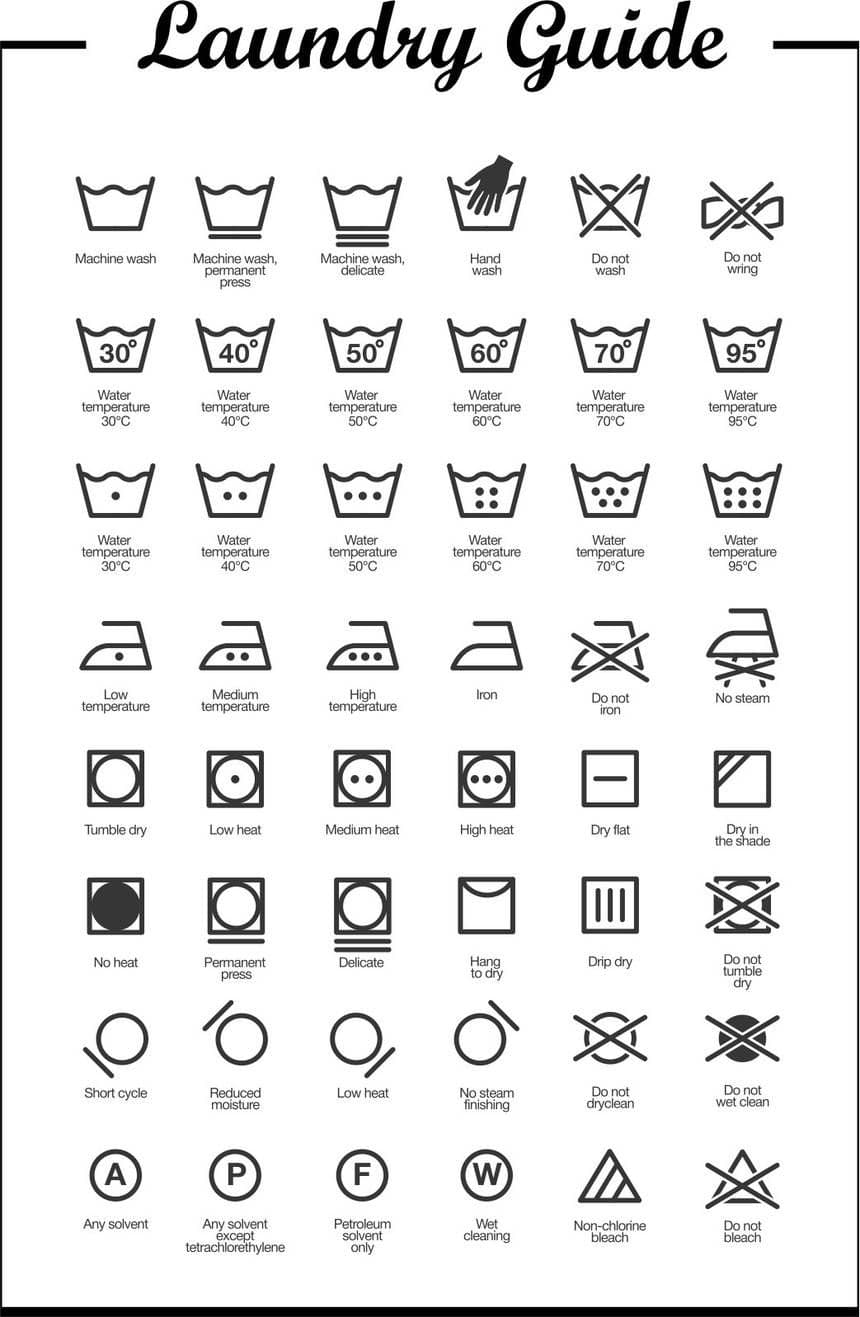
Dry Cleaning, Wet Cleaning or Washing? What's the Difference?
Have you ever looked at the care label inside a garment and wondered why one shirt can go in the washing machine while another says "Dry Clean Only"?
There are several ways to safely clean clothing, and choosing the right method depends on much more than whether something looks delicate.
Fabric content, dyes, construction, trims, finishes, stains, and even the combination of materials within one garment can influence how it should be cleaned.
Here's a simple look at the different cleaning processes—and how we determine what's best for your clothing.
Hand Washing
Hand washing uses water and detergent with very little mechanical action, making it useful for certain delicate fabrics and garments.
While it sounds like the gentlest possible option, hand washing isn't automatically safe for every delicate garment. Water can cause certain fabrics to shrink, colours to bleed, finishes to change, or garment construction to become distorted.
Always check the manufacturer's care instructions before hand washing.
Machine Washing
Machine washing uses water, detergent, and mechanical action to remove soils from clothing.
Modern home washing machines offer everything from regular and heavy-duty cycles to delicate and hand-wash settings. Water temperature, detergent, cycle selection, and drying method can all affect the finished result.
Machine washing is appropriate for many everyday garments—but not everything that can tolerate water should necessarily go into your home washing machine.
Professional Wet Cleaning
Wet cleaning isn't simply another name for washing.
Professional wet cleaning is a specialized process that uses water, carefully selected detergents and additives, and commercial equipment that gives garment care professionals precise control over factors such as water levels, temperature, mechanical action, and extraction.
This level of control allows us to professionally wet clean some garments that would be difficult or risky to wash at home.
Depending on the garment, professional finishing and pressing are also important parts of the process. Cleaning something successfully is only half the job—we also want it returned looking the way it should.
Dry Cleaning
Despite its name, dry cleaning isn't actually "dry."
Instead of water, the process uses a specialized cleaning solution to remove oils, soils, and stains from fabrics. Because the cleaning solution behaves differently from water, dry cleaning can be particularly effective for garments and fabrics that may shrink, distort, lose colour, or otherwise be affected by water-based cleaning.
At Best Care, we use Intense, an environmentally responsible hydrocarbon dry cleaning solution that provides effective cleaning while being gentle on sensitive and high-quality textiles.
After cleaning, garments are professionally finished using specialized steam, pressing, and tensioning equipment to restore their drape and appearance.
So, Which Cleaning Method Is Best?
There's no single answer—and that's where professional garment care comes in.
The first thing we look for is the manufacturer's care label. It provides important information about fabric content and recommended cleaning methods.
But that's only the beginning.
Before determining how to process a garment, our experienced team may also consider:
- Fabric and fibre content
- Colour and dye stability
- Decorative trims and embellishments
- Buttons, zippers, leather, or other components
- Linings and garment construction
- Fabric finishes
- Type and location of stains
- Age and condition of the garment
- How different materials within the garment may react to cleaning
In some circumstances, more than one cleaning method may be appropriate. In others, the combination of fabrics, trims, dyes, or construction requires additional precautions.
That's why professional garment care involves more than simply following a label.
The Cleaning Process Is Only Part of Garment Care
There's also an important part of professional cleaning that's easy to overlook: finishing.
After cleaning, garments may need steaming, pressing, tensioning, blocking, or other specialized finishing techniques to restore their shape and appearance.
A wool jacket, silk blouse, linen dress, cashmere sweater, and cotton shirt all require very different finishing techniques.
The equipment matters, but so does the experience of the person using it.
Experience Makes the Difference
At Best Care, we use a combination of professional dry cleaning, wet cleaning, specialized stain removal, laundering, hand cleaning, and professional finishing techniques depending on what each garment requires.
We've been caring for Winnipeg wardrobes since 1970, but garment care technology continues to evolve. We continually invest in new equipment, environmentally responsible cleaning methods, and industry education so that our team can combine decades of experience with today's best garment-care practices.
You don't need to know whether your garment should be wet cleaned, dry cleaned, laundered, or hand cleaned.
That's our job.
Bring it to us, and we'll determine the best way to give your clothing the care it deserves.
Thank you for wearing clothes!